October 15, 2026 What Does a vCISO Own, and What Does Your MSP Own? By Vin DiPippo, CTO, Vertikal6 Published October 15, 2026 A vCISO is accountable for the program that manages security risk:... Read More
September 11, 2026 What Does HIPAA Require When a Healthcare Organization Moves to the Cloud? HIPAA requires healthcare organizations moving to the cloud to execute a Business Associate Agreement (BAA) with every cloud service provider... Read More
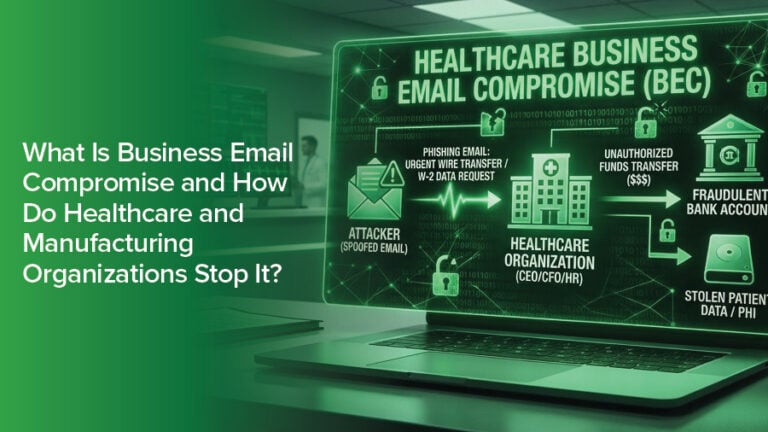
September 4, 2026 What Is Business Email Compromise and How Do Healthcare and Manufacturing Organizations Stop It? Business email compromise (BEC) is a fraud attack in which an attacker impersonates a trusted person — typically an executive,... Read More
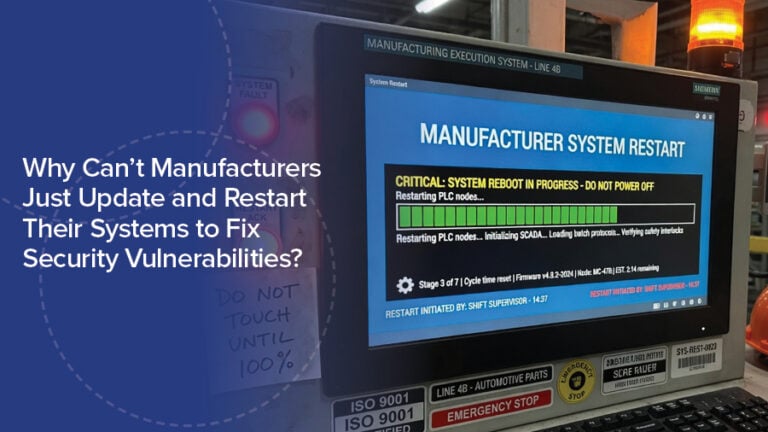
August 28, 2026 Why Can’t Manufacturers Just Update and Restart Their Systems to Fix Security Vulnerabilities? Manufacturers can’t simply update and restart their systems because Operational Technology (OT) equipment such as PLCs, SCADA systems, HMIs, and... Read More
August 21, 2026 What Does a Healthcare Cyber Audit Actually Find? A healthcare cyber audit typically finds three categories of risk: access control gaps, incomplete or untested documentation, and medical devices... Read More
August 5, 2026 Do You Have an AI Program, or Just AI Tools? If AI tools are already running in your organization without defined governance, accountability, and measurement, you have AI subscriptions, not... Read More
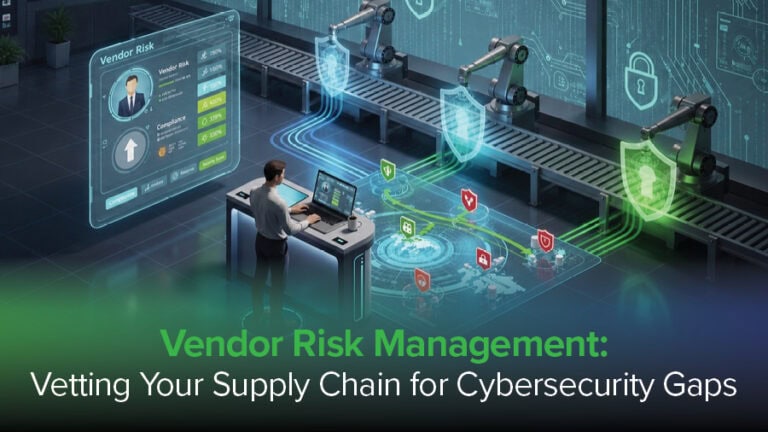
July 24, 2026 Vendor Risk Management: Vetting Your Supply Chain for Cybersecurity Gaps When a manufacturer’s systems are breached through a vendor, attackers do not bypass the manufacturer’s defenses directly. Instead, they compromise... Read More
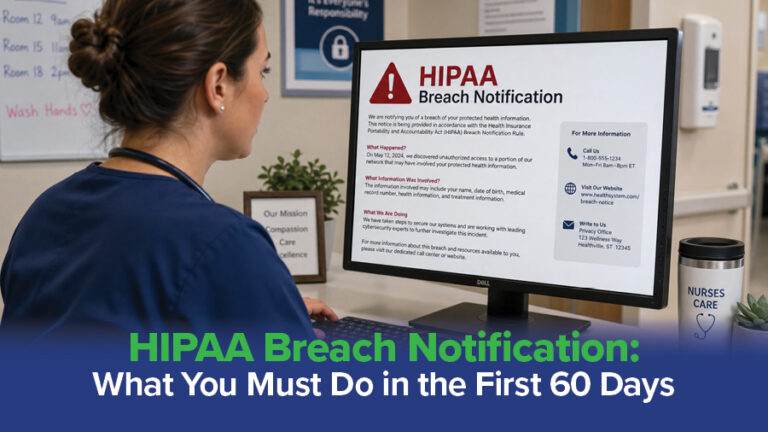
July 17, 2026 HIPAA Breach Notification: What You Must Do in the First 60 Days A breach has occurred. Patient data has been exposed. The incident is confirmed. Now what? For many healthcare organizations, the... Read More
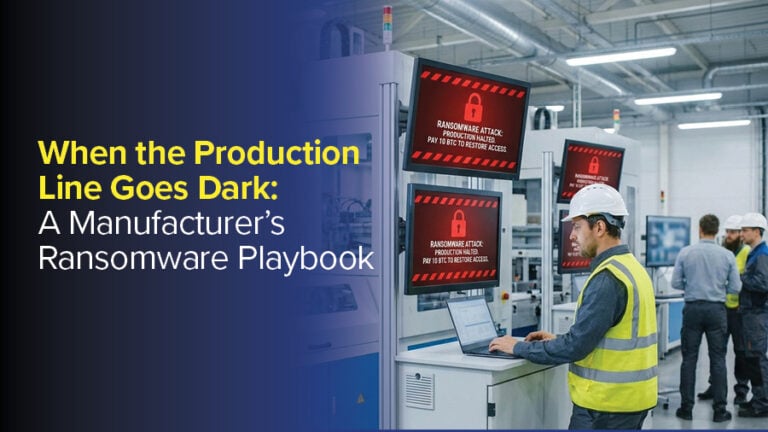
July 10, 2026 When the Production Line Goes Dark: A Manufacturer’s Ransomware Playbook There’s a moment every manufacturer dreads and most never prepare for. The shift supervisor calls. The HMI screens are frozen.... Read More
June 26, 2026 Medical Device Security: The Unmanaged Risk Inside Your Network There’s a category of endpoint on most hospital and healthcare networks that does not have a security agent installed, does... Read More